
Home > Physical SIM vs eSIM
Physical SIM vs Travel eSIM: Which One Is Better for International Travel?
For many years, physical SIM cards were the only option available for accessing mobile networks. Travellers either used roaming services from their home carriers or purchased a local SIM card after arriving at their destination. However, technological advancements have introduced a new and innovative solution known as the travel eSIM.
As both options are now widely available, many travellers wonder which one is better for international travel. Understanding the differences between physical SIM cards and travel eSIMs can help travelers choose the most convenient and cost-effective option for their needs.
Understanding Physical SIM Cards
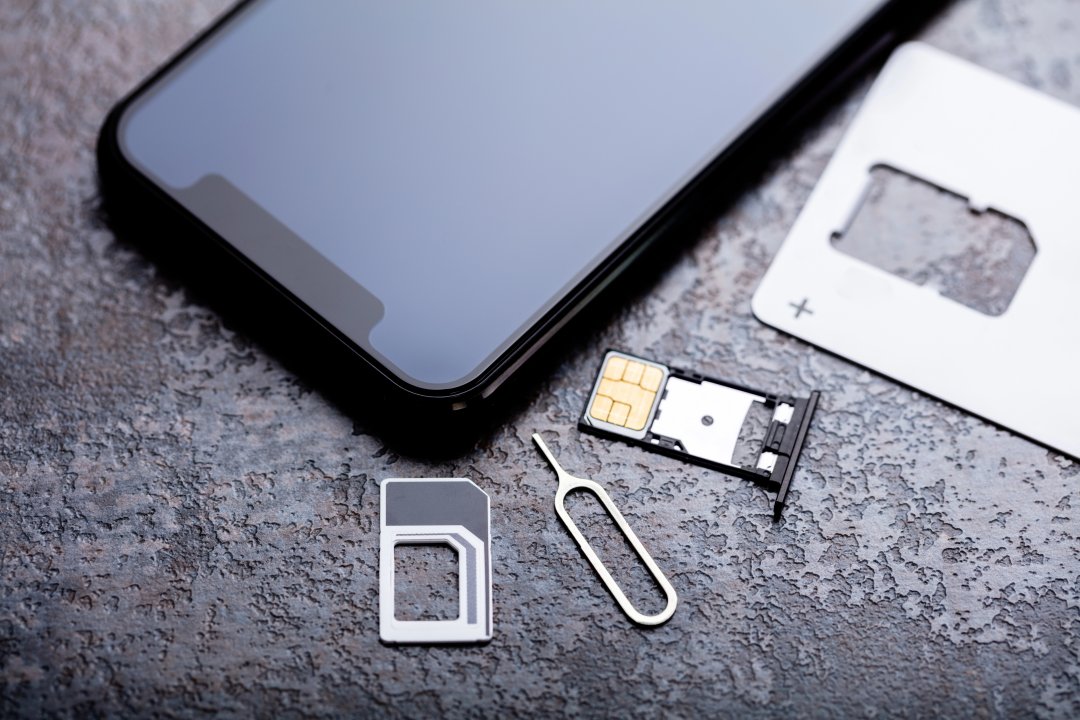
A physical SIM card is a small chip that is inserted into a mobile device to connect it to a cellular network. It stores important information such as the subscriber identity and network authorisation data, allowing the phone to access mobile services like calls, text messages, and internet connectivity.For international travellers, using a physical SIM card typically involves purchasing a local SIM card from a telecom provider in the country they are visiting. This SIM card replaces the one already installed in the phone, allowing the device to connect to a local network at domestic rates.
While this method has been widely used for many years, it comes with certain inconveniences. Travellers often need to find a mobile store, present identification, and manually swap SIM cards. In some cases, the phone may also need to be unlocked to accept SIM cards from different carriers.
Despite these limitations, physical SIM cards remain a common choice for travellers who prefer traditional connectivity solutions.
What is a Travel eSIM?
A travel eSIM, or embedded SIM, is a digital SIM card that is built directly into compatible smartphones and devices. Unlike a traditional SIM card, it does not require any physical insertion or removal. Instead, the mobile network profile is downloaded digitally to the device.To activate an eSIM, travellers typically purchase a data plan online and receive a QR code or activation instructions. After scanning the QR code, the eSIM profile is installed on the device, allowing it to connect to local networks in the destination country.
This digital activation process makes travel eSIMs significantly more convenient than traditional SIM cards. Travellers can install their data plan before leaving home and activate it immediately upon arrival at their destination.
Because the eSIM profile is stored digitally, users can easily switch between different mobile plans without changing any hardware.
Convenience for International Travelers
Convenience is one of the most important factors when choosing between a physical SIM card and a travel eSIM.Physical SIM cards require travellers to visit a store or kiosk to purchase a card after arriving in a new country. This can take time, especially in busy airports or unfamiliar cities. Language barriers and unfamiliar telecom procedures can also create additional challenges.
Travel eSIMs, on the other hand, are activated digitally. Travellers can purchase and install their mobile plan online before leaving for their trip. Once they arrive at their destination, their phone automatically connects to a local network.
This instant connectivity can be extremely helpful for travellers who need immediate access to navigation apps, transportation services, or hotel directions.
Cost Considerations
Cost is another important factor when comparing physical SIM cards and travel eSIMs.Local physical SIM cards are often inexpensive, especially for longer stays in a single country. However, if a traveller plans to visit multiple destinations, they may need to purchase a new SIM card in each country. This can increase overall costs and create inconvenience.
Travel eSIMs often offer regional or global data plans that work across several countries. These packages allow travellers to stay connected without switching SIM cards whenever they cross a border.
Although eSIM plans may sometimes appear slightly more expensive than local SIM cards, the added convenience and flexibility often make them a better value for frequent travellers.
Flexibility and Multi-Network Support
Another advantage of travel eSIM technology is flexibility. Many smartphones allow users to store multiple eSIM profiles on a single device. This means travellers can install different plans for different destinations and switch between them whenever needed.With physical SIM cards, switching networks requires removing one SIM card and inserting another. This process can be inconvenient and increases the risk of losing the small SIM cards while travelling.
Additionally, eSIM users can keep their original SIM card in the device while using the travel eSIM for mobile data. This allows them to continue receiving important calls or verification messages on their primary number.
Device Compatibility
One area where physical SIM cards still have an advantage is compatibility. Almost every mobile phone supports physical SIM cards, including older models.Travel eSIMs require devices that support embedded SIM technology. Most modern smartphones from major brands now include this feature, but some older models may not be compatible.
Before choosing an eSIM plan, travellers should confirm that their device supports eSIM functionality and that it is unlocked for international network use.
Security and Reliability
Both physical SIM cards and eSIMs provide reliable mobile connectivity, but eSIMs offer a few additional security benefits.Because eSIM profiles are installed digitally, there is no risk of losing or damaging a physical SIM card during travel. Travellers also do not need to provide personal identification to local vendors when purchasing a SIM card in a foreign country.
The entire activation process can be completed securely online through the eSIM provider’s platform.
Environmental Impact
Travel eSIMs also contribute to environmental sustainability. Traditional SIM cards are made from plastic and often come with additional packaging materials. With millions of SIM cards produced every year, this can create unnecessary waste.Since eSIM technology eliminates the need for physical cards, it reduces plastic waste and supports eco-friendly technology practices.
As the world moves toward more sustainable solutions, digital connectivity systems like eSIMs play an important role in reducing environmental impact.
Which Option Is Better for International Travel?
Both physical SIM cards and travel eSIMs have their advantages, and the best choice depends on the traveller’s needs.Physical SIM cards can be a good option for travellers staying in one country for a long time, especially if they want a local phone number and access to local call services.
However, for most modern travellers, travel eSIMs offer greater convenience, flexibility, and ease of use. The ability to activate a mobile plan instantly and switch between networks digitally makes eSIM technology particularly useful for international trips that involve multiple destinations.
As smartphone technology continues to evolve, travel eSIMs are quickly becoming the preferred connectivity solution for global travellers.
Conclusion
Choosing the right connectivity option can make a significant difference in the overall travel experience. While physical SIM cards have served travellers well for many years, travel eSIM technology offers a modern and more convenient alternative.With instant activation, digital management, and the ability to connect to networks across multiple countries, travel eSIMs provide a flexible and efficient solution for staying connected abroad.
For travellers who value simplicity and seamless connectivity, eSIM technology is rapidly becoming the future of international mobile communication.